
At the beginning of every year, we are usually motivated to change some habits in order to live a better life. These changes often include eating habits — in other words, choosing better diets.
And I imagine that at the start of this year, you also decided to make some changes. New goals for a better year!
However, when it comes to eating habits, these changes can be a bit more challenging. That’s because we tend to choose a specific diet to follow.
But the biggest question is… which diet is the best for you?
To help you face this challenge, I decided to write this article. Here, you’ll learn about the three best diets for 2019, their health benefits, their goals, and the criteria behind each one.
According to U.S. News & World Report, the top three diets overall for 2019 are the Mediterranean Diet, followed by the DASH Diet, and the Flexitarian Diet.
U.S. News & World Report is an American media company that publishes news, opinions, consumer advice, rankings, and analyses. It was founded as a weekly news magazine in 1933.
So, let’s take a closer look at each of them.
Mediterranean Diet

The Mediterranean Diet is based on foods rich in fruits, vegetables, legumes, whole grains, fish, nuts, olive oil, and legumes such as beans. Dairy products and wine are also part of this diet, consumed in moderation.
This is a very well-balanced eating pattern focused on whole, minimally processed, fresh foods that provide a wide variety of nutrients.
This means that the consumption of red meat, sugar, and saturated fats is significantly reduced.
The diet gets its name from the Mediterranean Sea, which borders countries such as Greece, Italy, France, Spain, and many others. Although these countries have different traditional dishes, they share the same fundamental principles.
The Mediterranean Diet goes far beyond weight loss. It is a lifestyle that can be followed for life. It supports heart and brain health, helps prevent cancer, and helps prevent and manage diabetes. It is also associated with longevity, meaning it helps reduce the risk of premature death and supports a longer, healthier life.
This diet also ranked first in categories such as Easiest Diet to Follow, Best Diet for Overall Health, Best Diet for Diabetes, and tied with the Ornish Diet as Best Diet for Heart Health.
A review published in the journal Metabolic Syndrome and Related Disorders suggests that following the Mediterranean Diet for more than six months — especially when combined with physical activity — is associated with reduced weight gain.
Harvard University, in partnership with the World Health Organization (WHO) and Oldways (a Boston-based nonprofit food organization), created the Mediterranean Diet Food Pyramid.
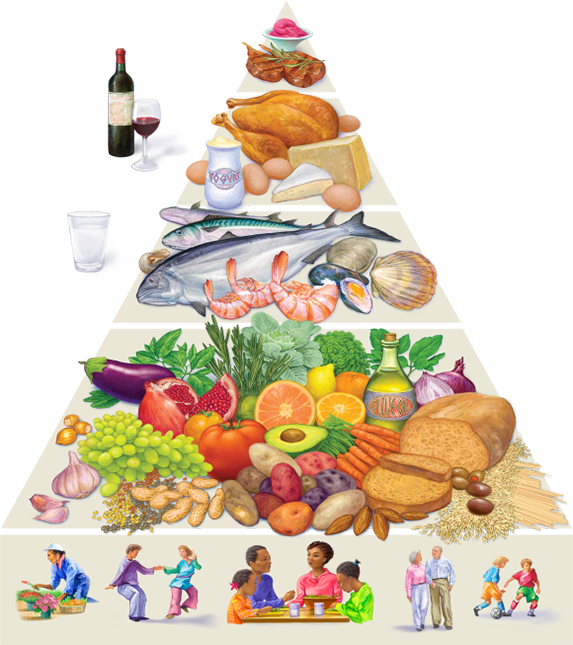
If you’re interested in the Mediterranean Diet but feel it may be difficult to adapt, there are books available on Amazon that explain the health benefits of different foods and offer delicious recipes adapted to Brazilian flavors. This book was written by a physician and a gourmet chef and is definitely worth checking out.
DASH Diet
DASH stands for Dietary Approaches to Stop Hypertension. It is also considered excellent for heart health and has ranked as the number one diet for several years.
Originally designed to help reduce high blood pressure, the DASH Diet has also proven effective in lowering bad cholesterol, reducing excess weight, and offering many additional health benefits.
The main foods in this diet include fruits, vegetables, whole grains, lean meats, and low-fat dairy products.
One of the most important features of the DASH Diet is sodium control. Sodium intake is reduced to a maximum of 1,500 mg per day.
Like the Mediterranean Diet, DASH is considered a sustainable, lifelong eating plan because it is balanced and does not rely on extreme restrictions.
Flexitarian Diet

The Flexitarian Diet, also known as the semi-vegetarian diet, allows the consumption of small amounts of animal protein such as beef, poultry, and fish. Most of the diet, however, is based on fruits and vegetables.
By reducing — but not eliminating — animal protein intake, this diet helps lower bad cholesterol and blood pressure, and reduces the risk of heart disease, diabetes, and cancer.
In addition to its many health benefits, the Flexitarian Diet can also support weight loss. It’s important to note that when animal protein is consumed, lean cuts are recommended.
So, if you enjoy a mostly vegetarian diet but still like to eat meat occasionally, this diet may be ideal for you.
About the Keto Diet
The Keto, or Ketogenic Diet, ranked among the Best Diets for Fast Weight Loss, placing second alongside the Atkins Diet.
This diet is based on very low carbohydrate intake and high fat consumption, leading to rapid weight loss. When bread and sugar are eliminated, the body enters a state called ketosis, in which it burns fat instead of carbohydrates for energy.
The Ketogenic Diet limits carbohydrate intake to approximately 35 grams per day, which means significantly reducing not only bread and sugar but also fruits, vegetables, seeds, and nuts.
Originally, this diet was developed for neurological medical use, particularly to help reduce difficult-to-control seizures in children. More recently, it has been widely used for rapid weight loss.
Due to the significant reduction in fruits, vegetables, and whole grains, this diet may cause side effects such as fatigue (due to reduced quick energy from carbohydrates) and constipation (due to low fiber intake).
Should You Diet or Not?
First of all, it’s important to clarify the term diet. While it’s often associated with weight loss, the term actually means an eating plan. Whether your goal is to lose weight, prevent or manage disease, or maintain overall health, it is still considered a diet.
So yes, we should follow a diet — meaning we should have an eating plan that supports health rather than eating impulsively without balance.
The real question is: should we choose a popular diet to reach our goals?
If it’s a balanced diet that you can follow for life and that supports a healthy and active lifestyle, I would say yes.
However, if you’re not someone who enjoys strict plans and your goal is simply to maintain health, balance is key.
Another important point is that rapid weight-loss diets are usually difficult to maintain long-term. They often come with side effects such as fatigue, irritability, and others. Additionally, they can lead to the well-known “yo-yo effect,” which can harm your body over time.
Have you noticed that the three most popular diets all share one thing in common? Balance. All of them include foods from the three main groups: carbohydrates, proteins, and healthy fats.
So, whatever your choice, keep in mind that the most important thing is choosing a diet that fits your lifestyle and isn’t just a temporary solution.
Now I’d love to hear from you…
Have you ever tried a trendy diet? What was the result?
If you’d like to learn more about any of the diets mentioned above — or any other diet — leave a comment below and I’ll be happy to write a special article just for you.