You add beans to lunch, switch your breakfast or start eating more vegetables—and your stomach feels less comfortable. It can be frustrating when a change you intended to make for your health leaves you wondering what to eat next.
Bloating after a meal does not, by itself, tell you that a food is unhealthy or that you have an intolerance. The food, amount, eating routine and your health history all deserve attention. This article offers questions to discuss, not a diagnosis or an elimination plan.
What do you mean by bloating?
Bloating is the sensation of fullness or swelling in your abdomen. Visible enlargement is called distention; the two do not always occur together. Gas can result from swallowed air and the breakdown of undigested carbohydrates by intestinal bacteria. These are normal digestive processes, although symptoms can become troublesome. NIDDK: symptoms and causes
Try describing the experience before giving it a label. Is it pressure, belching, pain or visible swelling? When does it start? Does it interfere with your day? Those details are useful when seeking help.
Did several things change at once?
A new routine may include more fiber, different portions and unfamiliar ingredients. NIDDK advises introducing fiber gradually in its IBS guidance because too much at once can cause gas. That is guidance for managing a particular condition, not a diagnosis of IBS whenever someone feels bloated. NIDDK: IBS and diet
For your own notes, write down what changed. “I started eating healthier” is less specific than “I added beans at lunch and changed breakfast on Monday.” You do not need to assign blame to an entire food group to describe a change accurately.
Could the food or portion be relevant?
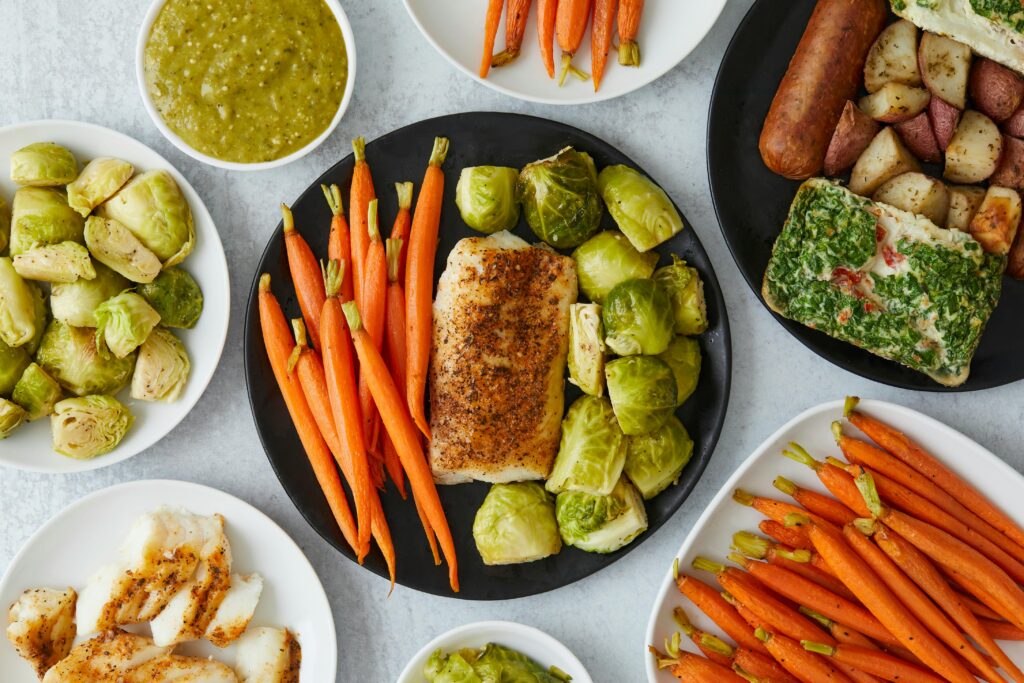
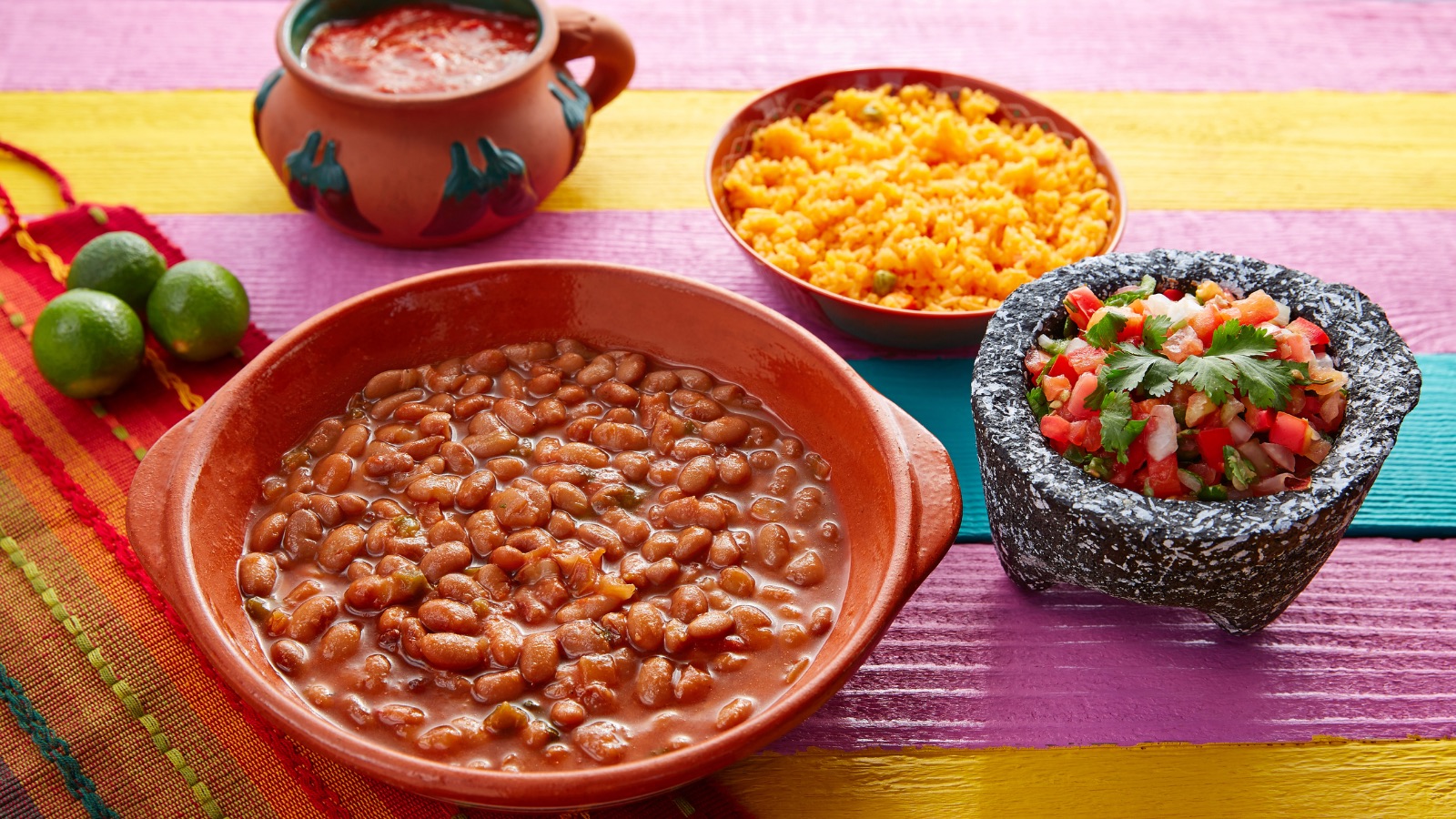
Some people notice more gas with beans, cruciferous vegetables, certain fruit, dairy foods or whole grains. Sugar alcohols in some sugar-free products can also contribute. Individual responses differ; this is not a list of foods to stop eating. A clinician may suggest a food-and-symptom diary to investigate a pattern. NIDDK: eating and gas
Keep the record useful rather than judgmental. Include the approximate amount, timing and symptoms—not a score for how “good” the meal was. Bring the notes to an appointment if symptoms persist.
How are you eating and drinking?
Eating quickly, chewing gum and drinking fizzy beverages can increase swallowed air. NIDDK lists slower, seated meals and changes to these habits among approaches a doctor may recommend. NIDDK: treatment
Think about the setting as well as the ingredients. Was lunch rushed? Were you drinking something different? These questions give you a fuller account of the meal without assuming the answer is another restriction.
When might a medical assessment help?
Conditions such as constipation, lactose intolerance and IBS can involve gas symptoms. Bloating alone cannot identify which condition, if any, you have. NIDDK advises talking with a doctor when symptoms bother you, change suddenly, or occur with abdominal pain, constipation, diarrhea or weight loss. NIDDK: when to seek advice
Avoid interpreting persistent symptoms as proof that you failed at healthy eating. Asking for an assessment is a reasonable next step when food decisions are becoming confusing or symptoms affect your life.
Should you try a low-FODMAP diet?
A low-FODMAP approach limits certain carbohydrates and may be recommended for some people with IBS. NIDDK describes a short trial followed by gradual reintroduction when appropriate. It is not a permanent food ban for everyone with bloating. Ask a healthcare professional or appropriately qualified dietitian whether an approach fits your circumstances before attempting a restrictive diet. NIDDK: IBS dietary approaches
You do not need to purchase a “gut reset” from this article. Nor do these symptoms establish a need for antibiotics, antifungals or supplements. NIDDK recommends discussing probiotics and other supplements with a doctor before using them. NIDDK: treatment and supplements
Bring these questions to your appointment
- How long has this been happening, and has it changed?
- What does the discomfort feel like, and when does it occur?
- What foods, portions or eating habits changed recently?
- Are there bowel changes or other symptoms?
- What medicines and supplements am I using?
This is a conversation guide, not a diagnostic checklist. You do not need perfect records to ask for help.
A more useful goal than a perfect diet
An online list cannot tell you exactly which meals will suit you. The next useful step may be understanding a recent change, describing symptoms more clearly or arranging a medical appointment. You can take digestive discomfort seriously while leaving room for enjoyable, varied food.
Explore Nutrition & Wellness for more educational reading and our recipes for cooking ideas. Recipes are inspiration, not a promise that a dish will prevent symptoms.
Common questions
Does bloating mean I should stop eating vegetables?
Not automatically. A symptom after a meal does not identify a whole food group as the cause. Discuss persistent problems rather than building an increasingly narrow diet on your own.
Is bloating always caused by gas?
Do not assume so. The sensation and its possible causes need context; a clinician can assess symptoms that concern you.
Can I diagnose an intolerance from a diary?
A diary may help you explain a pattern, but it does not establish a diagnosis. Use it as information for a conversation, not proof that a food is unsafe for you.