There is no single protein target that fits every woman over 40. The adult Recommended Dietary Allowance and current U.S. dietary guidelines use different reference frameworks. Your health, activity, usual eating pattern, and life stage matter when deciding what is appropriate for you.
The practical starting point is to include suitable protein-containing foods in ordinary meals while keeping room for vegetables, fruit, grains, and other foods you enjoy. Turning 40 does not, by itself, establish a new personal prescription.
This article is general nutrition education, not individualized medical advice. It is an editorial draft awaiting review.
Why protein matters in midlife
Protein helps build and maintain tissues, including muscle. It is one part of a nourishing diet, alongside enough overall food and an activity routine appropriate for your health. Protein alone is not a promise to preserve muscle, lose weight, or “balance hormones.”
For women navigating midlife, a useful question is whether meals regularly include protein-containing foods—not whether every food needs to be replaced with a high-protein version.
Why protein recommendations can look different
The adult RDA is one reference
The American Heart Association describes the adult protein RDA as 0.8 grams per kilogram of body weight per day. An RDA is a nutrient reference intended to meet the needs of nearly all healthy people in a defined group; it is not a personalized exercise, recovery, or medical eating plan.
That number should not be presented as the only protein figure used in current guidance. Read the AHA protein overview.
Current U.S. dietary guidelines give a higher goal
The 2025–2030 Dietary Guidelines for Americans give a protein goal of 1.2–1.6 grams per kilogram per day, with adjustment based on individual calorie requirements. They also describe both animal and plant protein foods as choices within a dietary pattern.
This is a population dietary-guideline goal, not proof that one specific dose is optimal for every woman over 40. It should not replace a clinician’s instructions for a medical condition. See the current guidelines, protein section.
Older-adult recommendations concern a specific population
The PROT-AGE expert group’s 2013 position paper recommended roughly 1.0–1.2 grams per kilogram daily for adults over 65, with different considerations for activity and illness. Its age group matters: recommendations for people over 65 cannot simply be relabeled as a rule for everyone over 40. PROT-AGE position paper.
| Reference | Figure discussed | How to interpret it |
|---|---|---|
| Adult RDA described by AHA | 0.8 g/kg/day | A general nutrient reference, not an individualized target. |
| 2025–2030 U.S. dietary guidelines | 1.2–1.6 g/kg/day | A dietary-pattern goal with individual adjustment. |
| 2013 PROT-AGE expert guidance | 1.0–1.2 g/kg/day | Guidance for adults over 65; context and exceptions matter. |
These figures are not three diets to choose between based on which number is largest. They come from different frameworks and populations.
What does grams per kilogram actually mean?
It describes grams of the nutrient protein relative to body weight—not grams of chicken, beans, or yogurt.
For arithmetic only, imagine an adult weighing 70 kilograms, about 154 pounds. Multiplying by 0.8 gives 56 grams of protein; multiplying by 1.2 gives 84 grams; multiplying by 1.6 gives 112 grams. This example explains the calculation; it does not identify that person’s recommended intake.
A 100-gram serving of a food does not contain 100 grams of protein. Food labels and reliable food-composition records describe how much protein a particular product or prepared food provides. Brand, serving size, and whether a food is weighed raw or cooked can change the comparison.
Protein-containing foods for ordinary meals
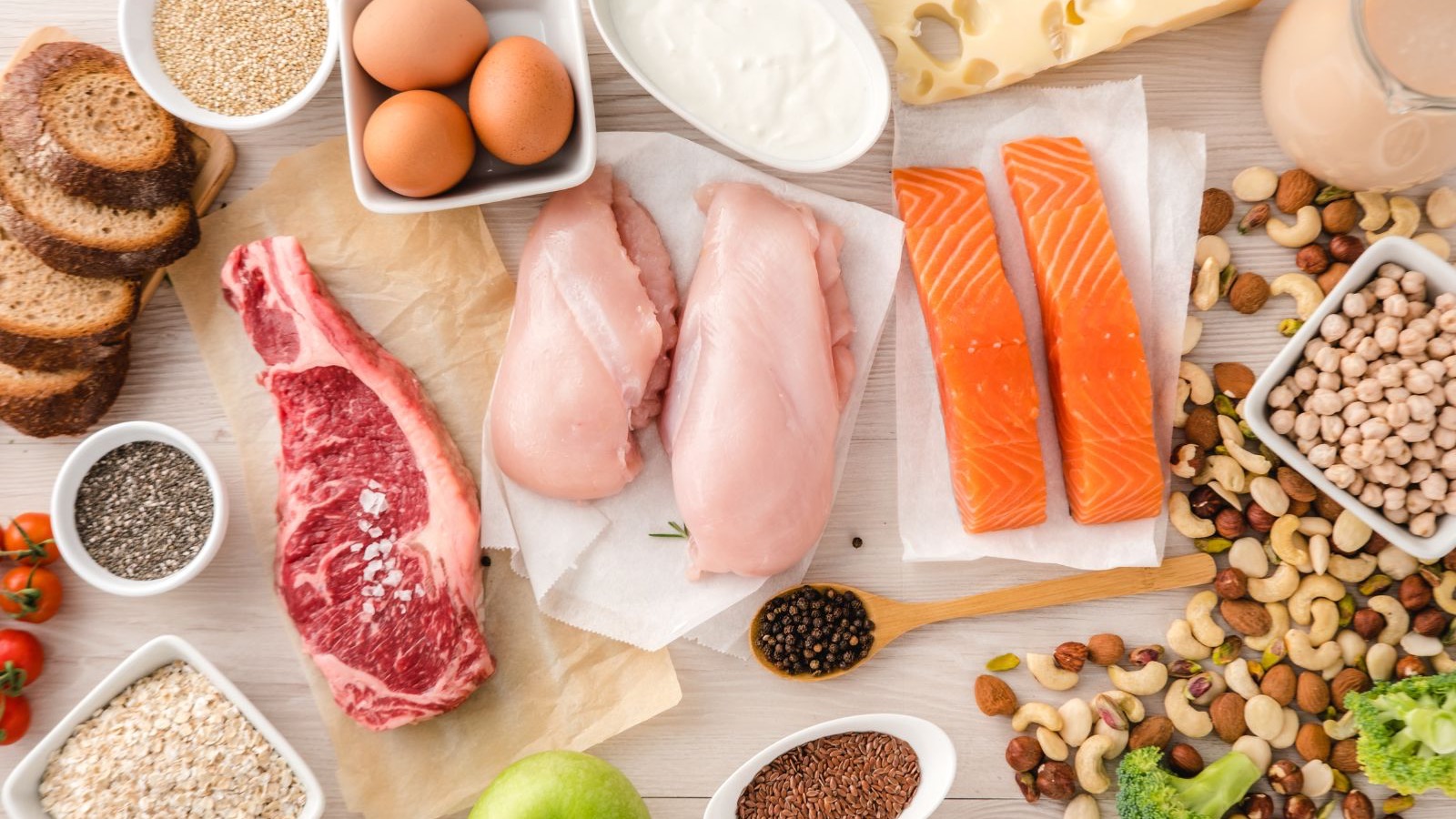
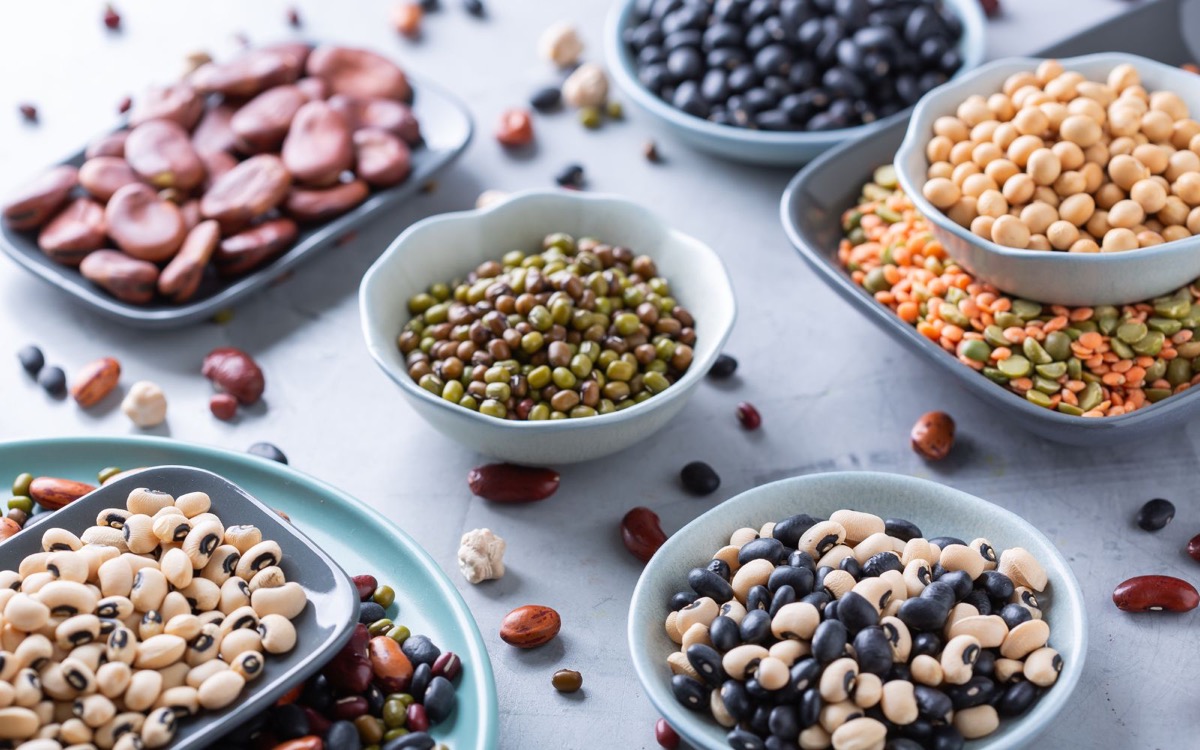
There is room for different preferences and budgets. The AHA encourages variety, including beans, lentils, nuts, seeds and soy foods, with fish or other animal foods according to preference. A useful food plan does not depend on buying powders or branded snacks.
| Food option | Everyday way to use it | What to check |
|---|---|---|
| Beans, chickpeas, or lentils | Add to soup, a rice dish, or a salad. | Prepared serving size, tolerance, and any dietary restrictions. |
| Eggs | Serve with vegetables and toast. | Food preferences, allergies, and individual guidance. |
| Plain yogurt or cottage cheese | Pair with fruit or use in a snack. | Product label and dairy tolerance; products differ. |
| Tofu or other soy foods | Include in a vegetable stir-fry. | Allergies and the protein content of the actual product. |
| Fish, poultry, or lean meat | Include alongside grains and vegetables. | Preparation, portion, and the overall eating pattern. |
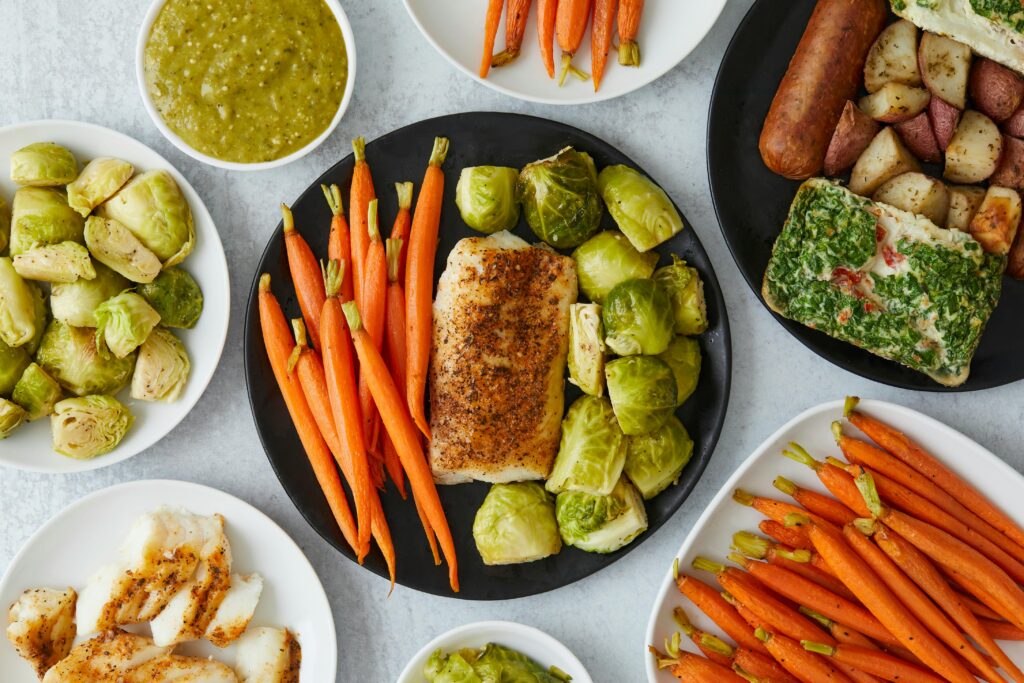
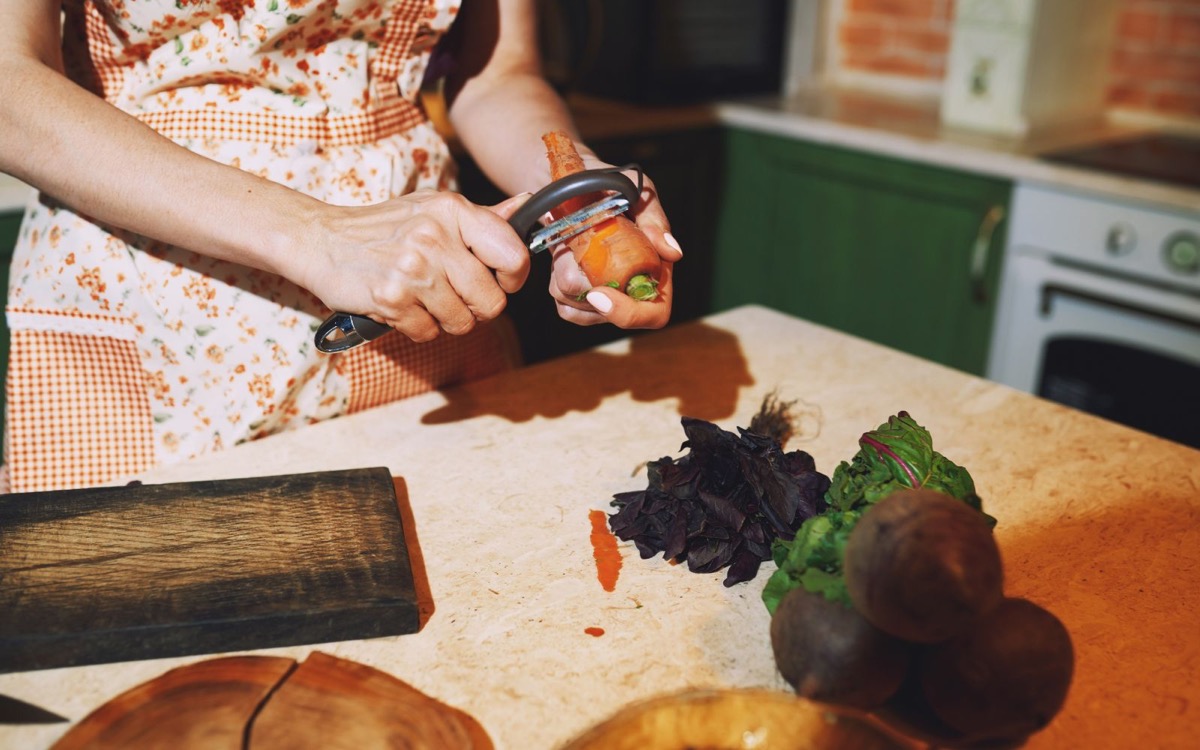
These are food ideas, not tested recipes or nutritionally equivalent swaps. No protein totals have been calculated for the photographs or example meals.
Make meal planning work with your routine
Look at breakfast, lunch, and dinner before adding a new shopping list. If breakfast rarely includes a protein food, you might try an egg, yogurt, or another suitable option. If you enjoy beans at lunch, keep them and build the rest of the meal around foods you like.
Planning protein choices across meals can be a practical organizational habit. That does not mean every woman needs a rigid 30-gram minimum at every meal or that missing a precise eating window ruins the day.
Keep the plan realistic: canned beans, eggs, leftover cooked lentils, or a familiar yogurt may be easier to use than elaborate recipes. Consider budget, storage, allergies, and what you will actually eat.
What does research say about extra protein and strength?
A small randomized trial followed 23 postmenopausal women through 10 weeks of resistance training. Average protein intake differed between groups—about 1.18 versus 0.87 g/kg/day—but lean-mass gains did not differ significantly between them. That result applies to this trial; it does not establish that extra protein is never useful. Read the trial.
A broader 2022 systematic review found that effects of additional protein varied across outcomes and populations. Evidence without resistance training was limited, and findings in older groups were less clear than a simple “more protein means more muscle” message suggests. Read the systematic review.
The reasonable takeaway is to consider food intake and appropriate strength-building activity together, rather than expect a shake to produce a guaranteed result. Neither study establishes an exact target for all women in their 40s.
When individualized guidance matters
Kidney disease is an important example. NIDDK explains that protein needs can change with kidney function and treatment; some people need moderation, while people on dialysis may need more. Both too little and an unsuitable amount can create problems. NIDDK guidance on eating with kidney disease.
Ask your healthcare team about major protein changes if you have a prescribed diet, are pregnant or breastfeeding, or have difficulty eating enough or unexplained weight loss. Do not use the arithmetic example above to override clinical guidance.
Frequently asked questions
Does every woman over 40 need 100 grams a day?
No single fixed total fits everyone. Body size, activity, health, and the reference being used all affect the discussion. A round number from social media is not an individual assessment.
Does menopause automatically mean I need a protein supplement?
No. A supplement is one possible product, not a requirement that follows from menopause. First consider your food intake and discuss specific needs when appropriate.
Can plant foods be part of a protein plan?
Yes. Beans, lentils, chickpeas, soy foods, nuts and seeds can contribute. Use a variety of foods rather than assuming all plant foods provide the same amount in the same serving.
Is more always better?
No. Increasing protein should not crowd out other foods or conflict with a medical eating plan. More grams alone do not guarantee better strength, digestion, or weight outcomes.
A practical next step
Choose one meal you eat often and identify its protein-containing food. If you want to change it, choose an option you enjoy and can prepare regularly. Keep the rest of the meal in view, too.
Explore our recipe collection for cooking inspiration, or visit Nutrition & Wellness for more educational reading.
About the author: Daisy completed her nutrition degree in Brazil in 2010. Her interests include healthy aging, digestive health, and evidence-based nutrition education. No U.S. Registered Dietitian credential is claimed.
Draft prepared November 12, 2026. Referenced sources checked for the statements used; independent qualified review and owner publication approval remain pending.