“Fibermaxxing” means deliberately increasing dietary fiber, often with a focus on getting as much as possible. For women over 40, the useful takeaway is to include fiber-rich foods consistently—not to chase an extreme target. Increasing fiber too quickly can bring gas, bloating, and cramps, so a gradual approach is more practical than an overnight overhaul.
There is no single fibermaxxing protocol, and turning 40 does not create a special requirement to maximize fiber. Your usual intake, health, and tolerance matter more than a social-media challenge.
This article provides general nutrition education, not individualized advice or treatment. It is an editorial draft awaiting review.
What fiber can—and cannot—do
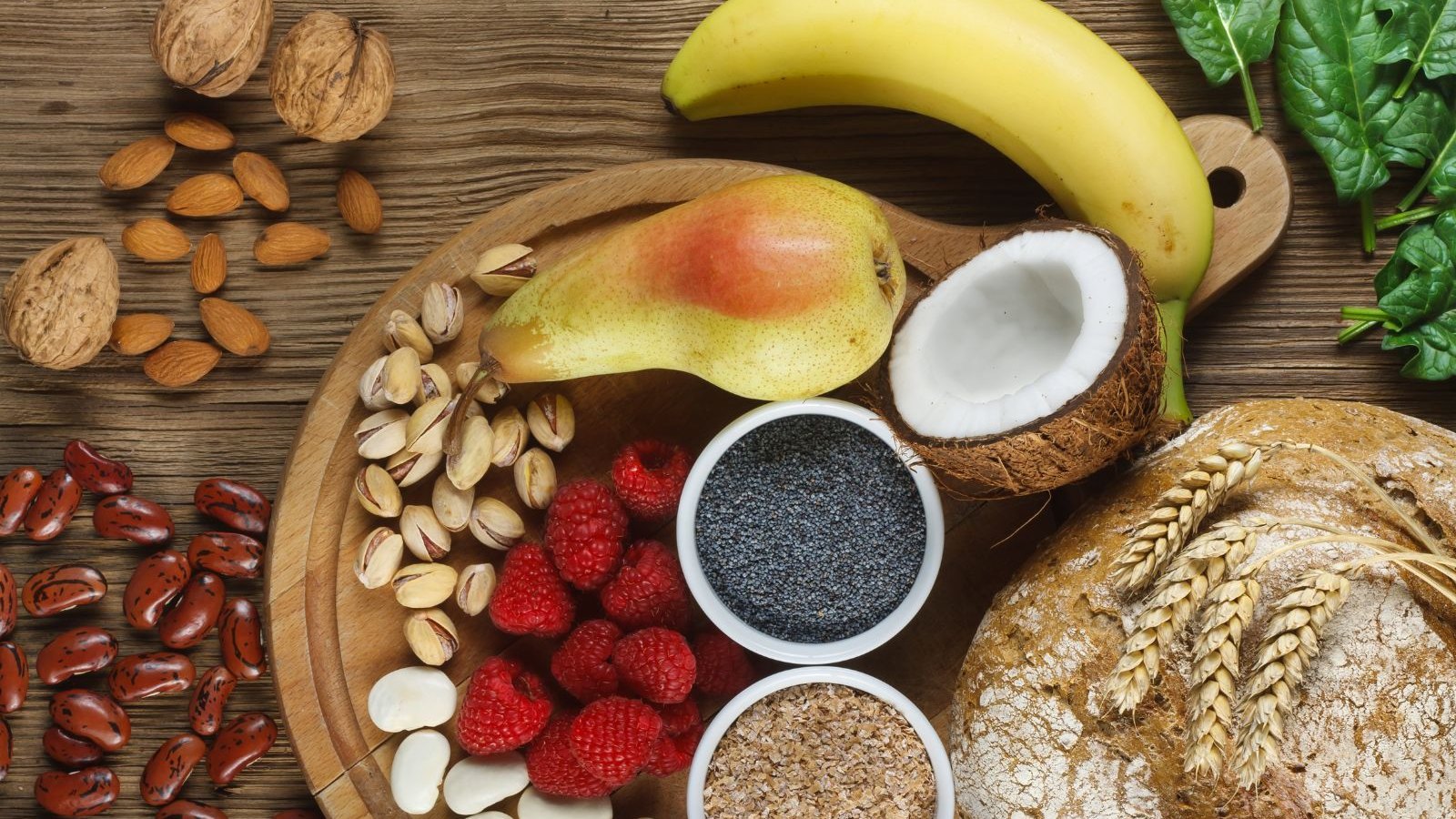
Fiber is part of plant foods that your body does not fully digest. Different fibers behave differently, so beans, oats, fruit, and vegetables are not interchangeable with a scoop of powder.
Soluble fiber absorbs water; some forms become gel-like. Insoluble fiber adds bulk to stool. Many foods contain a mixture. Fiber can support bowel function, but neither a “high-fiber” label nor a viral eating routine guarantees a particular digestive outcome. MedlinePlus explains these differences.
A useful question is: “Which fiber-containing foods could fit my meals?” That is easier to act on than “How high can I get my daily total?”
How much fiber should you aim for?
There is no special target for “fibermaxxing after 40.” For general context, NIDDK describes adult recommendations ranging from 22 to 34 grams daily, depending on age and sex. That broad range is not a personal prescription or a reason to jump directly from a low intake to its upper end. NIDDK: fiber and food choices.
Packaged foods use a different reference: the FDA’s Daily Value is 28 grams. The percentage on a Nutrition Facts label describes how a serving contributes to that labeling reference; it does not calculate your individual requirement. Check serving size as well as the fiber line. FDA Daily Values.
Age, energy needs, medical conditions, and a prescribed eating plan can affect what is appropriate. If you have been told to limit fiber, do not replace that instruction with an online target.
Why more fiber can mean more bloating
Some carbohydrates reach the large intestine without being completely digested earlier. Gut microbes break them down, producing gas. A larger or unfamiliar amount can change how you feel after a meal.
Swallowing air, eating quickly, and carbonated drinks can also contribute. Bloating is not proof that fiber is harming you, but it is not proof of “detoxing” or a healthier microbiome either. NIDDK explains gas and bloating.
If you change breakfast, lunch, snacks, and supplements at once, it becomes difficult to identify which change is uncomfortable.
A gentler way to add fiber
1. Start with what you already eat
Look at a few ordinary days. Do fruit, vegetables, beans, or whole grains appear regularly? If you read labels, record the serving you actually eat. There is no need to turn this into permanent tracking.
2. Make one manageable food change
Choose an addition or swap you would enjoy. These are meal-building ideas, not tested recipes or nutritionally equivalent exchanges:
| Everyday meal | One possible change |
|---|---|
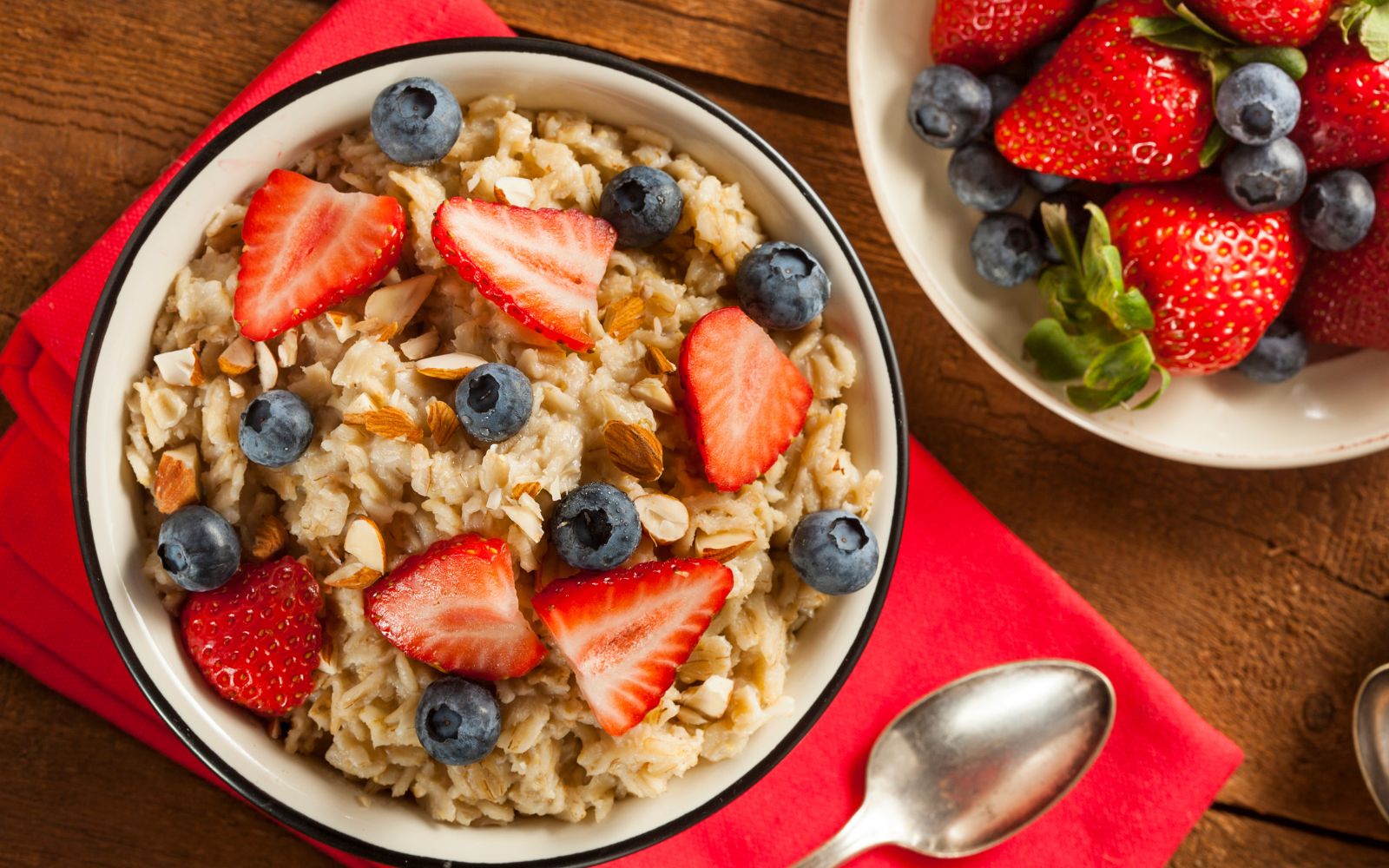
| Breakfast | Include oatmeal or add berries to a breakfast you already enjoy |
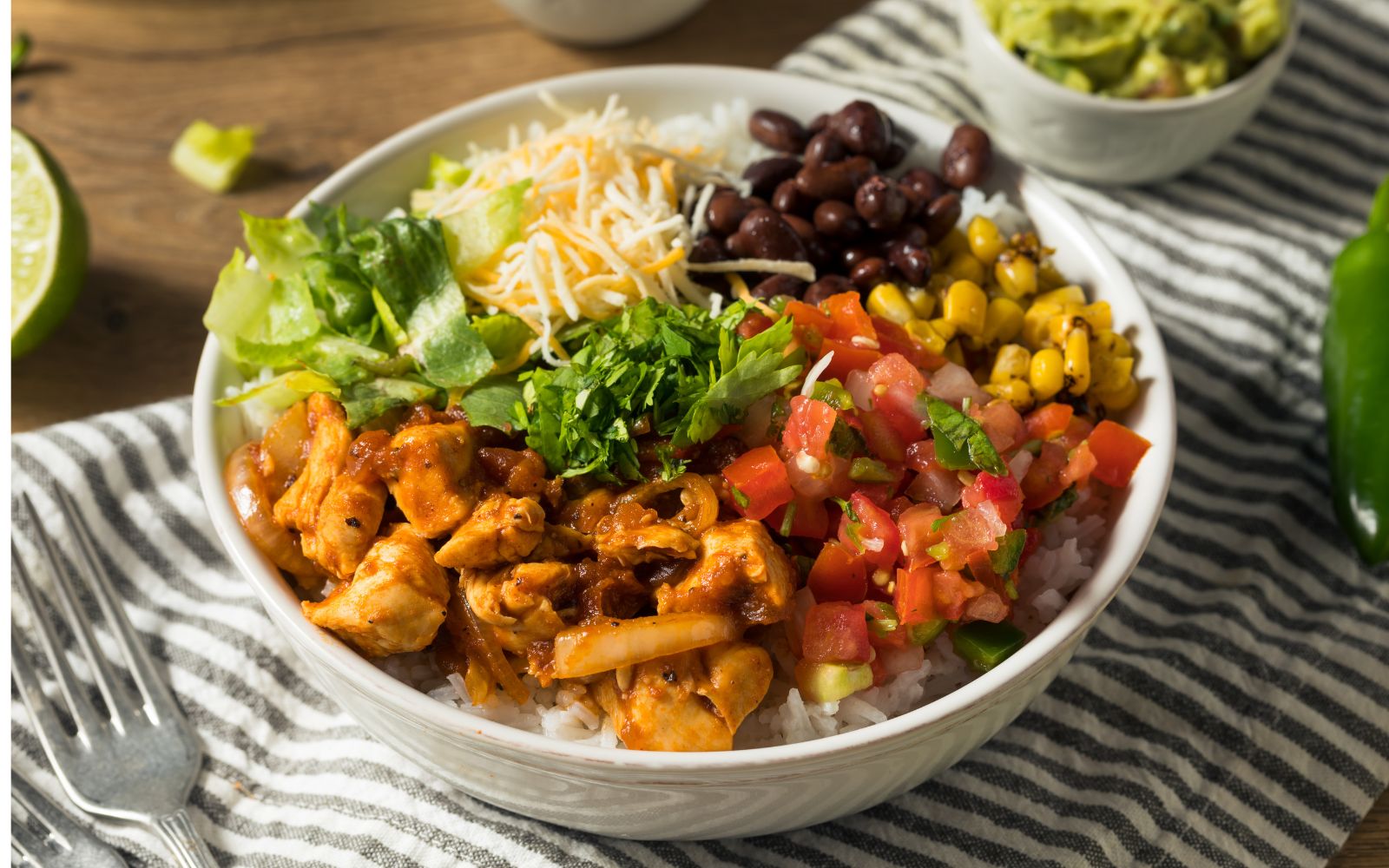
| Lunch | Add a small amount of beans or lentils to a familiar soup or rice dish |
| Dinner | Include a vegetable you like alongside the rest of the meal |
| Snack | Choose a piece of fruit or a modest portion of nuts, if suitable for you |
Use your usual meals as the starting point. You do not need a special brand or a cupboard full of powders.
3. Give each change time
Increase gradually rather than stacking several additions together. NIDDK recommends adding fiber little by little so your body can adjust. If a change is uncomfortable, reconsider the amount and discuss persistent symptoms with a healthcare professional. No universal “add five grams every day” schedule is necessary. NIDDK guidance.
4. Pay attention to fluids and the whole meal
Fluids help fiber work. Drink regularly, following any medical fluid restrictions rather than forcing a fixed number of bottles. Keep room for protein-containing foods and the other foods you need; fiber is one part of eating well, not a replacement for a varied diet.
5. Keep a short, useful note
If symptoms arise, note the food, approximate amount, and timing. Avoid labeling an entire food group “bad” after one uncomfortable meal. Take persistent concerns to a qualified clinician instead of making progressively more restrictive rules yourself.
Who should get individualized guidance first?
People with ongoing digestive symptoms, diagnosed gastrointestinal conditions, a prescribed low-fiber plan, or recent digestive surgery should discuss major changes with their care team.
For IBS in particular, the type of fiber can matter: NIDDK notes that soluble fiber may be more useful for symptoms than simply adding more bran. This is a reason for individualized guidance, not a recommendation that everyone follow an IBS diet. NIDDK: eating with IBS.
Fiber supplements such as psyllium deserve a separate conversation if you take medicines or have swallowing difficulties. MedlinePlus lists psyllium precautions. Do not assume a powder is needed because a food-first change takes time.
When to seek medical care
Talk with a healthcare professional if gas or bloating is troublesome, changes suddenly, or comes with other symptoms such as abdominal pain, diarrhea, or unexplained weight loss. NIDDK gas guidance.
Seek prompt medical care for constipation accompanied by rectal bleeding, constant abdominal pain, inability to pass gas, or vomiting. Do not try to solve those symptoms by adding more fiber. NIDDK constipation warning signs.
Frequently asked questions
Do I need to eat 40 or 50 grams to participate?
No. Fibermaxxing is not a requirement or a competition. General guidance and your individual circumstances are more useful than matching someone else’s total.
Does fibermaxxing guarantee weight loss?
No. It should not be presented as a promise to lose weight, burn belly fat, or treat a condition. The focus here is manageable food choices and digestive comfort.
Can I get fiber without eating a giant salad?
Yes. Oats, beans, lentils, fruit, nuts, and cooked vegetables offer different ways to include fiber. Choose foods you enjoy and tolerate; raw vegetables are not mandatory.
Should I buy a fiber supplement first?
Not automatically. Review the foods you already eat and discuss supplements with a healthcare professional when needed. A supplement is not a requirement for following this article.
One step to try
Pick one familiar meal and one fiber-containing food you would like to include. Keep the change manageable and notice how you feel.
For cooking inspiration, explore our recipe collection. For broader reading, visit Nutrition & Wellness.
Author context: Daisy completed her nutrition degree in Brazil in 2010. Her interests include digestive health, healthy aging, and evidence-based nutrition education. No U.S. Registered Dietitian credential or independent clinical review is claimed.
Editorial status: Draft prepared November 12, 2026. Sources checked for the statements used; qualified review and owner approval pending.