
If you are wondering what to eat during menopause, start with foods you can enjoy regularly: varied protein sources, vegetables and fruit, whole grains, and calcium-rich choices. You do not need a special collection of expensive “menopause foods.”
The important question is what you want your food choices to do. Meeting nutritional needs and treating hot flashes are different goals. A useful eating routine can support everyday nutrition without promising to balance hormones or stop night sweats.
This guide is general education, not a personalized eating plan or a substitute for medical care.
A personal note from Daisy: learning to nourish my body
As I approach 50, nutrition feels personal in a different way. I completed my nutrition degree in Brazil in 2010, but navigating menopause myself has given me another perspective on what it means to eat well.
In 2021, I had a hysterectomy and one ovary removed. In the years that followed, I began paying closer attention to how I felt in relation to food, stress, sleep and everyday habits.
Digestive health has been one of my biggest challenges. I have experienced acid reflux, bloating, food sensitivities and digestive discomfort, and I have undergone treatment for small intestinal bacterial overgrowth (SIBO) and small intestinal fungal overgrowth (SIFO). These are parts of my personal history, not an explanation for every digestive symptom during menopause.
At one point, I followed a very restrictive diet described as anti-inflammatory. It prompted me to pay closer attention to foods I associated with discomfort, but it also taught me that eating well is about more than eliminating foods. I wanted a way of eating that was nourishing and realistic for me.
I have noticed that chocolate, some dairy products, sugary treats and certain highly processed foods can worsen my digestive symptoms. Those are my observations, not a list of foods that every woman should avoid.
Today, I focus more on balance, nutritional quality and paying attention to my body's responses. I am still learning. My experience has reminded me that nutrition during this stage of life needs room for individual needs, preferences and appropriate professional care.
What I want other women to hear is this: healthy eating does not require perfection. You deserve a way of nourishing yourself that fits your life.
This is my personal experience, not evidence that a particular diet treats menopause, SIBO or SIFO. The guidance below draws on the cited sources.
Start with a pattern you can repeat
The American Heart Association emphasizes an overall eating pattern that includes produce, whole grains, varied protein foods and unsaturated fats, while limiting added sugars and sodium. These are general cardiovascular recommendations, not a menopause treatment protocol. AHA guidance
In your kitchen, that might mean keeping a few reliable ingredients available rather than following a completely new diet. Choose foods that fit your culture, preferences, budget and any medical restrictions. You can start with one meal that feels manageable.
Include a protein food in your meal planning
Make room for foods such as eggs, fish, chicken, beans, lentils, tofu or plain yogurt. These are practical options for building meals; this list is not a ranking of foods that treat menopause.
Try looking at your usual breakfast and lunch. Is there a protein food you enjoy, or are you relying on whatever is easiest to grab? A boiled egg alongside toast, lentils added to soup, or yogurt served with fruit can offer different starting points.
There is no single protein prescription for every reader navigating midlife. Individual needs and restrictions vary. Our protein article will provide more detail when it is released; until then, avoid treating online gram targets as personal instructions.
Give calcium-rich foods a regular place
NIH lists daily calcium recommendations of 1,000 mg for women ages 19–50 and 1,200 mg for women ages 51–70. These age-based amounts refer to total intake, including foods, beverages and any supplements—not an instruction to take that amount as a pill. NIH calcium fact sheet
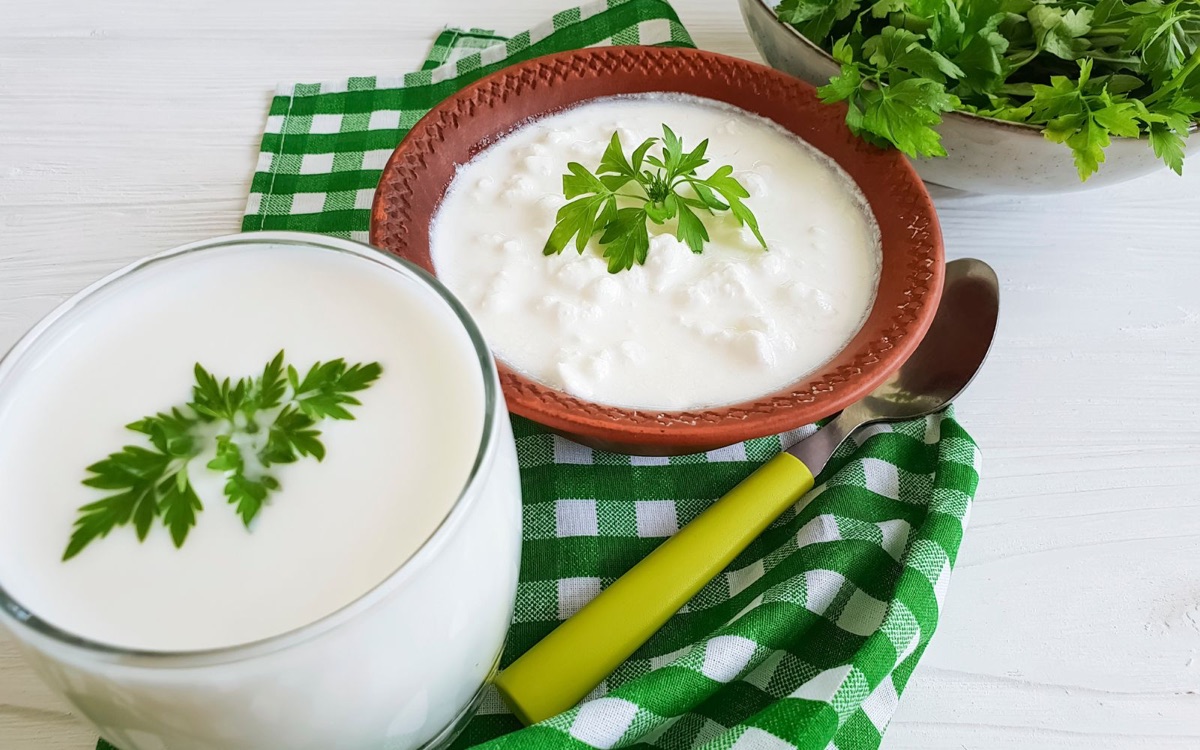
Options include milk, yogurt, canned fish with edible bones, and some fortified beverages or calcium-set tofu. Check labels: plant beverages and tofu vary in calcium content. A product's appearance or plant-based label does not tell you how much calcium it contains.
If you avoid dairy, plan your alternatives rather than simply removing that food group. If you are considering a supplement, discuss the need with a healthcare professional, particularly when you take medicines or have a relevant medical condition.
Remember vitamin D without assuming you need high doses
For adults ages 19–70, NIH lists a daily vitamin D recommendation of 15 micrograms, or 600 IU. This is general intake guidance, not a supplement prescription. Vitamin D helps the body absorb calcium. Food sources include fatty fish and fortified products; check labels because fortification differs. NIH vitamin D fact sheet
Menopause alone is not a reason to copy someone else's supplement routine. Ask a clinician how your medical history and current intake affect what is appropriate for you.
Keep plants and convenient ingredients in the picture
Choose some vegetables, fruit, beans and whole grains that you actually like to eat. They can be part of the broader food pattern described above. You do not have to prepare everything from scratch or buy premium ingredients.
For a busy week, you might keep a short list: oats, canned beans, frozen vegetables, a fruit you enjoy, and ingredients for two simple dinners. Check packaged-food labels when comparing sodium or added sugars.
Start with an amount you tolerate and a preparation you enjoy. A large bowl of unfamiliar foods is not automatically a better lunch than a familiar meal you can comfortably repeat.
What about soy and hot flashes?
Tofu, edamame and soy beverages can be food choices if you like and tolerate them. That does not make them reliable treatments for hot flashes.
The Menopause Society's 2023 evidence-based statement did not recommend soy foods, soy extracts or dietary modification as treatments for vasomotor symptoms, which include hot flashes and night sweats. This conclusion concerns symptom treatment; it does not mean these foods have no place in an eating pattern. 2023 position statement
NCCIH describes possible small effects from soy protein or isoflavones, with inconsistent research findings. Different products and study populations complicate the picture. Food and concentrated supplements should not be treated as interchangeable. NCCIH soy overview
The practical takeaway is to choose soy because it fits your meals, rather than buying it with a promise that it will stop symptoms. There is no guaranteed “hormone-balancing” menu in this guide.
Put the ideas together at the table
These are flexible meal ideas, not tested recipes or a nutritionally calculated daily plan. Adjust ingredients and portions to your needs.
| Meal | A simple starting point | An easy variation |
|---|---|---|
| Breakfast | Plain yogurt, oats and berries | An appropriate fortified soy alternative with oats and fruit; check its label |
| Lunch | Rice, beans, chicken and vegetables | Rice, beans, tofu and vegetables |
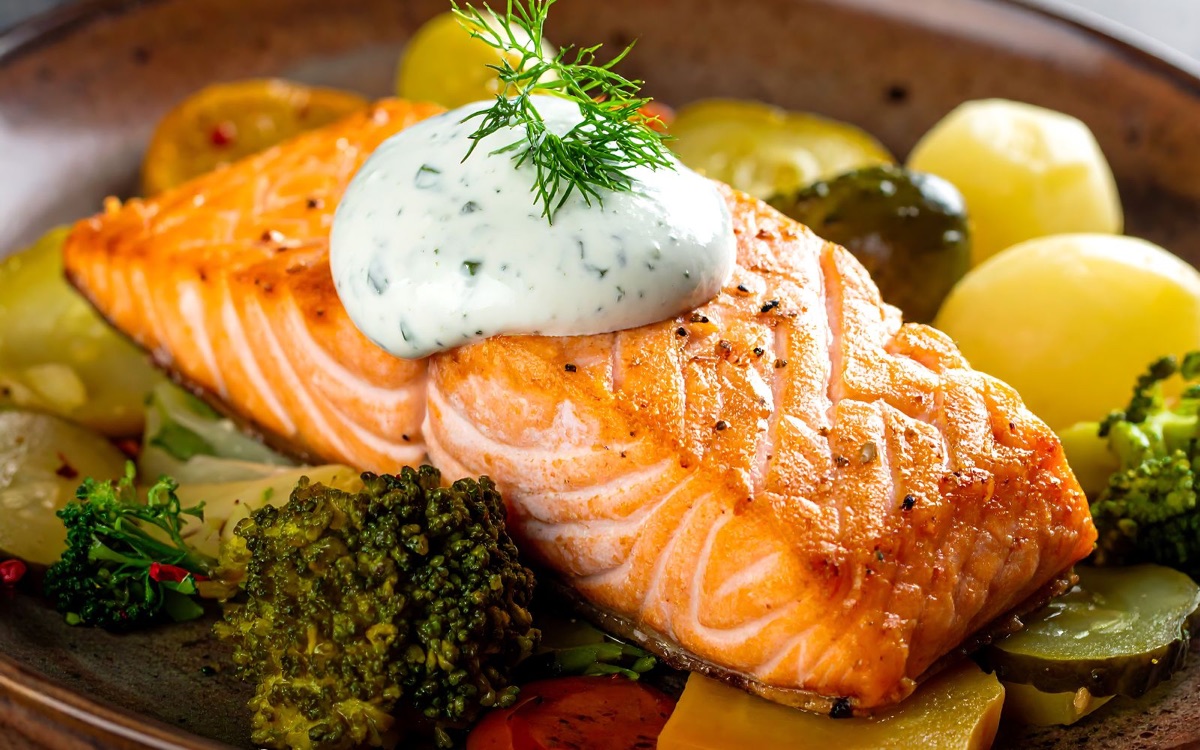
| Dinner | Baked fish, potatoes and broccoli | Lentil stew with vegetables and whole-grain bread |
| Optional snack | Fruit with yogurt | Another food combination that fits your preferences and hunger |
A substitution changes the meal's nutrients; these examples are not nutritionally equivalent. Allergies, digestive tolerance and medical restrictions may require different choices.
Do you need to stop eating particular foods?
Avoid building a long exclusion list simply because a product or social post uses the word “menopause.” Ask what the restriction is intended to address and what evidence supports it for your situation.
The Menopause Society notes limited or unsuccessful trial evidence for common hot-flash strategies such as avoiding caffeine, alcohol or spicy foods. If you notice a personal pattern, record it and discuss it with your clinician rather than assuming every woman needs the same restrictions. This is not a recommendation to start drinking alcohol. Hot-flash guidance
When food changes are not enough
If hot flashes, night sweats or other symptoms are disrupting your daily life, seek medical advice. Food choices do not have to carry the entire burden of menopause care. Evidence-based treatment options exist, and a clinician can help you weigh them for your health history. The Menopause Society
For this week, choose one practical step: plan a lunch you enjoy, compare calcium labels on your usual beverage, or make a short grocery list. You can build a useful routine without getting every meal perfect.
Browse our recipe collection for cooking inspiration and Nutrition & Wellness for more educational articles.
Frequently asked questions
What is the best food for menopause?
There is no single food in this guide that treats menopause. Look at your overall meals and the nutritional needs you are trying to meet.
Do I need a menopause supplement?
Not automatically. An intake recommendation is not a recommendation to buy a supplement. Discuss your situation before choosing a product or dose.
Can a healthy diet replace treatment for hot flashes?
Do not assume that it can. Supporting everyday nutrition and treating disruptive symptoms are different tasks. Ask for care when symptoms affect your quality of life.
Is this a weight-loss plan?
No. These are general food-planning ideas, without a calorie target or a promised weight outcome.